Hemp: What It Is, What It Isn’t, and Why It Matters
Hemp is a highly versatile and environmentally friendly plant that has been used for thousands of years across many cultures. It comes from the Cannabis sativa plant family, which is also the source of marijuana—this shared origin is often the cause of confusion. While hemp and marijuana are related botanically, they are grown, regulated, and used for very different purposes.
In the United States, agricultural or industrial hemp is legally defined as containing no more than 0.3% THC, the compound responsible for the psychoactive effects associated with marijuana. Hemp does not produce intoxicating effects and is not used as a recreational drug. Instead, it is cultivated for its fiber, seeds, oils, and naturally occurring compounds that can be used in food, wellness products, construction materials, textiles, and many other applications.
Understanding the Difference Between Hemp and THC Products
Because hemp and marijuana originate from the same plant species, many people mistakenly assume hemp products contain THC or have mind-altering effects. In reality, hemp-derived products are specifically grown and processed to remain within strict legal THC limits and are widely used for practical, nutritional, and industrial purposes.
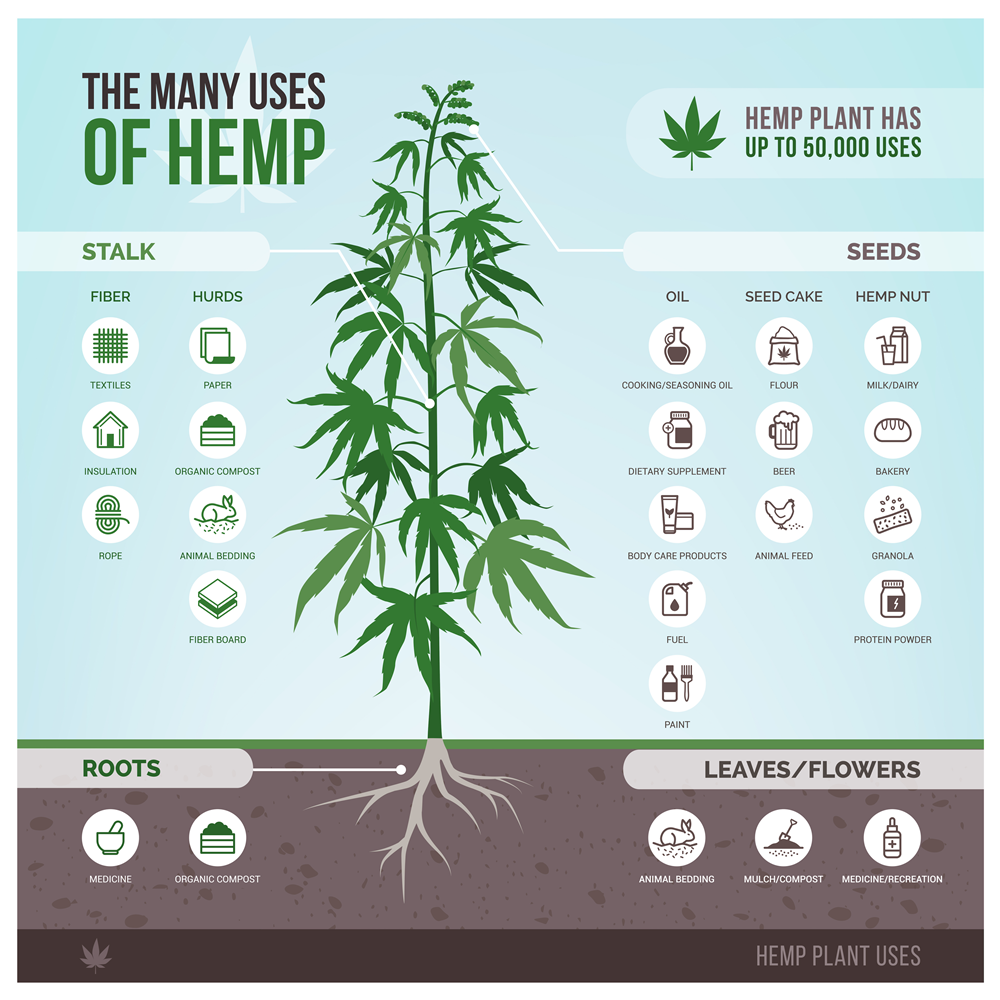
Hemp products commonly include hemp seeds, hemp seed oil, protein powders, fabrics, building materials, personal care items, and wellness-related goods. These products are distinct from marijuana or high-THC cannabis products and are subject to different regulations. Understanding this distinction helps consumers make informed choices and appreciate hemp for its many non-psychoactive uses.
The Many Possibilities of Hemp
The staff at Mountain Life Innovations are passionate about promoting the responsible use of agricultural hemp in products, industry, and personal lifestyle. Increased awareness and use of hemp can benefit individuals, businesses, and the environment. Hemp is one of the most versatile plants on the planet and can be used in thousands of products.
Hemp has the potential to positively influence agriculture, construction, wellness, textiles, and numerous other sectors of the economy. One of its key advantages is that it can be grown using fewer pesticides than many conventional crops, helping reduce harm to people while protecting soil and groundwater. Its rapid growth and renewable nature make hemp an attractive option for more sustainable farming and manufacturing practices.
Hemp’s Role in Wellness, Industry, and Sustainability
Hemp continues to gain attention for its wide range of practical applications. In wellness and nutrition, hemp is used in foods and supplements such as hemp seeds, hemp seed oil, and protein powders. In personal care, hemp-derived ingredients are commonly found in skin and hair products. Industrial uses include hemp fabrics and clothing, shoes, rope, building materials, backpacks, wallets, biofuels, and components used in automobiles and appliances.
Mountain Life Innovations is committed to promoting public awareness of hemp as a plant that:
- Supports economic growth and job creation
- Can be cultivated with minimal environmental impact
- Has applications that support personal wellness
- Can serve as a primary or supporting material in a wide range of consumer and industrial products
Our Hemp Education & Awareness Efforts
We actively work to educate the public about hemp’s benefits and uses, helping dispel misconceptions and encourage informed decision-making. Our goal is to support a better understanding of hemp as a sustainable, useful, and responsible resource for modern living.
We welcome questions and conversations about hemp and its growing role in wellness, industry, and environmental stewardship. To learn more about our hemp-related products or our educational efforts, please contact us :
Contact Us
We will get back to you as soon as possible.
Please try again later.